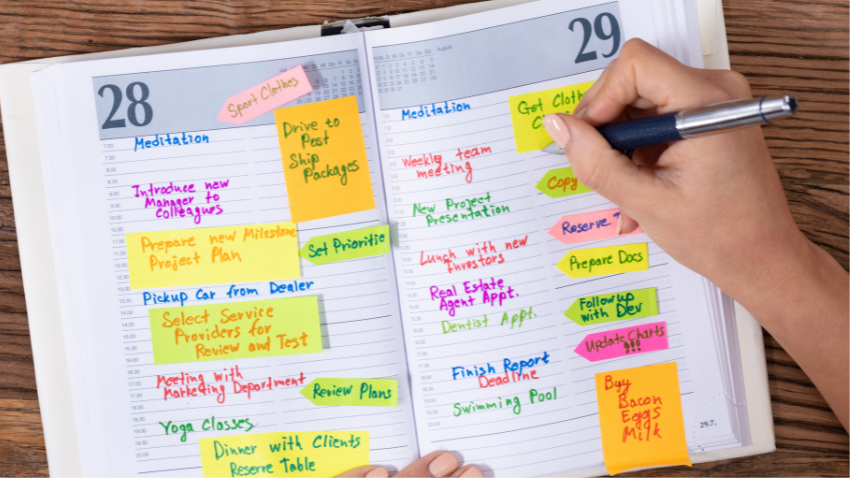
Your calendar is color-coded. Your to-do list is checked off. Your performance reviews are excellent. From the outside, you’ve got it together.
But inside? You’re exhausted. You’re running on adrenaline and caffeine. You’re triple-checking emails at midnight. You’re saying yes when you want to say no because disappointing people feels unbearable. You’re achieving, but you’re not okay.
Welcome to high-functioning anxiety.
It’s not the anxiety you see in movies like panic attacks and staying in bed. It’s the anxiety that looks like success. That drives you to work harder, stay later, do more, be better. That everyone mistakes for ambition.
But underneath the productivity? You’re struggling. And because you look fine (because you ARE accomplishing things) no one knows. Sometimes not even you. This is what high-functioning anxiety actually looks like. How it shows up. Why it’s missed. And why getting help doesn’t mean you’re failing, it means you’re finally being honest.
What High-Functioning Anxiety Actually Is
High-functioning anxiety isn’t an official diagnosis. It’s a term that describes people who have anxiety but manage to keep it hidden behind achievement and capability.
What it looks like:
- You meet deadlines, excel at work, maintain relationships.
- You appear calm, competent, put-together.
- You’re reliable, responsible, the person people count on.
- You’re achieving goals that would suggest you’re thriving.
What it feels like:
- Constant worry and overthinking.
- Perfectionism that feels compulsive, not optional.
- Fear of failure or disappointing people.
- Difficulty relaxing or “turning off”.
- Physical tension, racing thoughts, restlessness.
- Exhaustion from maintaining the facade.
The key difference:
Regular anxiety might keep you from doing things. High-functioning anxiety drives you to do MORE things – as a way to manage the anxiety. You stay busy. You overachieve. You control what you can control.
And it works. Until it doesn’t.
The Signs Everyone Misses (Including You)
High-functioning anxiety is sneaky. It disguises itself as personality traits people admire.
What looks like strengths but might be anxiety:
“She’s so organized and prepared.”
You’re not just prepared, you’re over-prepared. You can’t walk into a meeting without having researched every possible question. You rehearse conversations. You plan for contingencies that will never happen. It’s not preparation. It’s trying to control the uncontrollable.
“He’s such a perfectionist.”
But it’s not about excellence, it’s about avoiding the anxiety that comes with imperfection. You edit emails five times. You redo work that’s already good. You can’t submit anything until it’s flawless. “Good enough” triggers panic.
“She’s so reliable, always says yes.”
Because saying no makes you anxious. You overcommit. You prioritize everyone else’s needs because the thought of disappointing someone is unbearable. Your calendar is full but your tank is empty.
“He’s really driven and ambitious.”
Or are you running from the fear that if you slow down, you’ll have to feel what you’ve been avoiding? Achievement is a distraction. Staying busy keeps the anxiety at bay.
Other signs:
- You need everything done ahead of time (waiting = anxiety).
- You overthink small decisions.
- You struggle to delegate (no one will do it right).
- You ruminate on mistakes for days.
- You can’t relax without feeling guilty.
- You need praise and reassurance constantly.
- You catastrophize (jump to worst-case scenarios).
Why High-Functioning Anxiety Gets Overlooked
There are specific reasons high-functioning anxiety goes unnoticed. Not only by others but by you too.
You’re succeeding (so it can’t be anxiety, right?).
We associate anxiety with failure or inability to function. But high-functioning anxiety doesn’t stop you from achieving. It DRIVES achievement. You’re getting promotions, hitting goals, maintaining relationships. So how could you have anxiety?
You’ve learned to hide it.
You smile. You say “I’m fine.” You don’t cancel plans or miss work. You’ve become really good at looking calm while spiraling internally. No one sees the 3am worry sessions or the mental rehearsals or the constant self-criticism.
It’s been there so long, it feels normal.
You’ve been anxious for years or maybe your whole life. You don’t know what NOT being anxious feels like. This IS your baseline. You think everyone feels this way and just handles it better.
People benefit from your anxiety.
Your boss loves that you’re always prepared. Your family relies on you to handle everything. Your friends know you’ll show up. No one’s motivated to say “hey, are you okay?” when your anxiety is making you more productive and helpful.
You don’t fit the stereotype.
Anxiety looks like panic attacks and avoidance, right? You’re not avoiding anything and you’re doing ALL the things. So it must not be anxiety. Except, anxiety doesn’t always look like shutting down. Sometimes it looks like you’re speeding up.
The Cost of High-Functioning Anxiety
Yes, you’re functioning. But at what cost?
Physical toll:
Chronic stress affects your body. Tension headaches. Digestive issues. Insomnia or restless sleep. Jaw clenching. Muscle tension. A weakened immune system. Your body is in fight-or-flight mode constantly, and it’s breaking down.
Mental exhaustion:
You’re tired. Not just sleepy, we’re talking bone-deep tired. The mental energy it takes to maintain control, manage anxiety, keep up appearances, and meet everyone’s expectations is unsustainable. You’re running on fumes.
Relationship strain:
You snap at the people you love. Maybe you feel more irritable. You can’t be present because you’re always thinking three steps ahead. You struggle with intimacy because vulnerability feels terrifying. You’re physically there but mentally somewhere else.
Missed experiences:
You can’t enjoy the present because you’re worried about the future. You achieve milestones but can’t celebrate them because you’re already focused on the next thing.
Loss of self:
You’ve built your identity around achievement and productivity. But underneath? You’re not sure who you are without the anxiety driving you. You don’t know what you actually want versus what anxiety tells you you should want.
Burnout:
Eventually, the body and mind can’t sustain this pace. High-functioning anxiety often leads to burnout, depression, physical illness, or breakdown. You can white-knuckle through for a while. But not forever.
How High-Functioning Anxiety Shows Up in Different Areas
At work:
- Volunteering for extra projects to prove your worth.
- Working late not because there’s work, but because leaving feels wrong.
- Checking email constantly, even on weekends.
- Inability to delegate.
- Needing control over every detail.
- Comparing yourself to colleagues constantly.
- Imposter syndrome (fear you’ll be “found out”).
In relationships:
- People-pleasing and difficulty setting boundaries.
- Need for reassurance (“are we okay?” “are you mad?”).
- Overanalyzing texts and conversations.
- Difficulty being vulnerable or asking for help.
- Taking on too much emotional labor.
- Fear of conflict (so you stay silent or over-accommodate).
In parenting:
- Needing kids’ behavior to be perfect (reflects on you).
- Over-scheduling activities.
- Difficulty letting kids make mistakes.
- Hypervigilance about safety.
- Inability to relax and just play.
- Worry about judgment from other parents.
In daily life:
- Making lists for everything
- Needing plans finalized way in advance
- Difficulty with spontaneity
- Overthinking small decisions
- Inability to sit still or “do nothing”
- Using productivity to avoid feeling
Treatment That Actually Helps High-Functioning Anxiety
High-functioning anxiety responds well to treatment. You don’t have to keep living this way.
Therapy approaches that work:
Cognitive Behavioral Therapy (CBT):
Helps you identify anxious thought patterns and challenge them. Teaches you to distinguish between productive worry and rumination. Builds skills to manage anxiety differently.
EMDR (Eye Movement Desensitization and Reprocessing):
Particularly helpful if your anxiety is rooted in past experiences or trauma. Helps your brain reprocess memories that fuel current anxiety.
Somatic approaches:
Works with your nervous system directly. Helps you regulate your body’s stress response. Teaches you to feel safe in your body again.
What therapy helps you do:
- Recognize anxiety versus personality
- Set boundaries without guilt
- Challenge perfectionism
- Practice saying no
- Build tolerance for uncertainty
- Separate your worth from achievement
- Learn to rest without it feeling like failure
At Authentic Connections in Castle Rock, we work with high-achieving people who are tired of running on anxiety. We get it. You don’t want to lose your drive, you just want to feel okay while you’re achieving.
That’s possible.
You Don’t Have to Choose Between Success and Peace
Here’s what you might be afraid of: if you treat your anxiety, you’ll lose your edge. You’ll become lazy. You’ll stop achieving. Your anxiety is what makes you successful.
That’s not true.
What actually happens when you treat high-functioning anxiety:
- You’re still driven – but from purpose, not fear
- You still achieve – but without destroying yourself
- You’re still reliable – but with boundaries
- You’re still excellent – but you can enjoy it
- You still care – but you don’t carry everything alone
You become MORE effective. Because you’re not operating from a place of constant threat. You make better decisions. You’re more creative. You have sustainable energy.
Success driven by anxiety is fragile.
It requires constant vigilance. It burns you out. It’s never enough.
Success driven by values is sustainable.
It’s fulfilling. It leaves room for rest. It allows you to actually enjoy what you’ve built.
You don’t have to choose. You can be successful AND calm. Driven AND rested. Ambitious AND okay.
Treat High-Functioning Anxiety Therapy in Castle Rock, CO
At Authentic Connections Counseling Center, we make it our mission to assign clients to the right therapists and we promise to involve you every step of the way to ensure you feel comfortable and cared for throughout the entire process.
If you would like help in this journey, we are here to find a therapist that meets your needs and aligns with your values. If you’re ready to make the phone call, please reach out to us at 720-706-8735 or email us at info@authenticconnectionscounseling.com for more information. The right therapist can make all the difference in your path to improving your overall well-being and we would be honored to be that difference in your life!