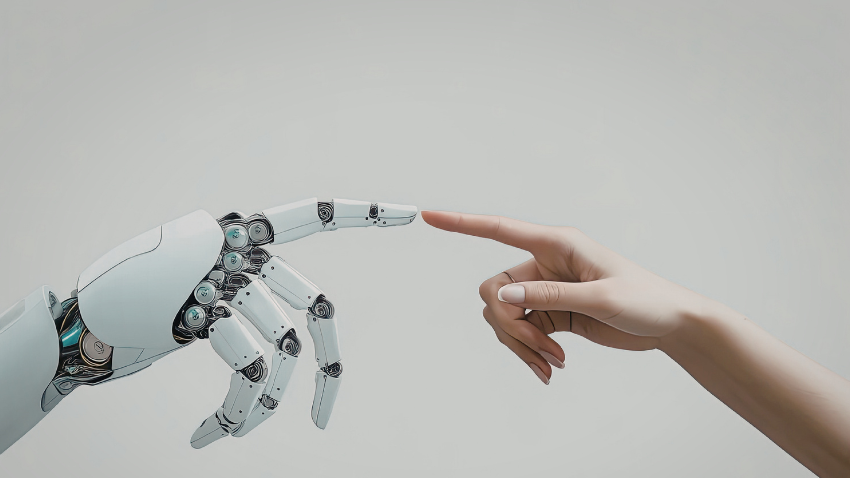
There’s a strange gap that shows up when stress takes hold: your mind knows you’re safe, but your body clearly hasn’t caught up, and no amount of telling yourself to relax seems to close that distance. That’s because stress isn’t only a thought. It’s a physiological state, held in your muscles, your breathing, and your nervous system, which is exactly why thinking your way out of it so often falls short.
Body-based, somatic stress release works differently. Rather than reasoning with your mind, it uses physical techniques that speak directly to your nervous system in a language it actually understands. Here are three that are simple, grounded in real physiology, and doable almost anywhere—the kind of tools our therapists across Colorado use with clients regularly.
Why Body-Based Techniques Work
Your autonomic nervous system has two main modes: sympathetic (fight-or-flight, activated, alert) and parasympathetic (rest-and-digest, calm, restorative). Stress pushes you toward the sympathetic side. Calm requires shifting back toward the parasympathetic side. And that shift happens through the body, specifically through the vagus nerve, the primary pathway connecting your brain to your heart, lungs, and digestive system.
You can’t simply decide to activate your vagus nerve. But certain physical actions (specific breathing patterns, movement, touch) reliably stimulate it. That’s what makes body-based techniques different from simply “trying to relax.” They work with the actual mechanics of your nervous system rather than around them.
1. The Physiological Sigh
This is one of the fastest ways to calm your body in real time, and it takes less than a minute.
How to do it: Take two inhales through your nose. A normal-sized breath in, then, without exhaling, a second short, sharp inhale on top of it to fully fill your lungs. Then let out one long, slow exhale through your mouth, longer than the inhales combined. Repeat one to three times.
Why it works: The double inhale re-inflates tiny collapsed sacs in your lungs called alveoli, which improves oxygen exchange. The long exhale that follows is the key part physiologically—extended exhales activate the parasympathetic nervous system and slow your heart rate almost immediately. Unlike many breathing exercises that take practice to feel effects from, the physiological sigh tends to produce a noticeable shift in a single round, which makes it especially useful in the middle of an acute stress spike. Before a hard conversation, in a waiting room, or the moment you notice your chest tightening.
2. Shaking or Rhythmic Movement
This technique might feel strange the first time you try it, but it’s rooted in something animals do instinctively after a threat passes—and something the human body still knows how to do, even if we’ve been taught to suppress it.
How to do it: Stand up, and let your body shake. Starting with your hands and arms, then letting it move through your shoulders, torso, and legs if it feels natural. This isn’t choreographed; it’s loose, a little floppy, closer to a full-body shiver than a dance move. Thirty seconds to two minutes is often enough. If shaking feels too unfamiliar at first, gentle bouncing, brisk walking, or vigorous stretching can offer a similar release.
Why it works: When your body prepares for fight or flight, it generates real physiological energy: adrenaline, muscle tension, a mobilized nervous system. Regardless of whether you actually run or fight. If that energy has nowhere to go, it can stay held in the body as chronic tension. Movement, especially shaking, gives that stress response a physical outlet, discharging built-up energy rather than leaving it stored. This is part of why a short walk after a stressful meeting, or physically shaking out your hands after a hard conversation, can genuinely change how you feel, not just distract you from it.
3. Self-Soothing Touch
Touch is one of the most direct ways to signal safety to your nervous system—and you don’t need another person present to access it.
How to do it: Place one or both hands somewhere on your body that feels grounding: over your heart, wrapped around your opposite upper arms in a self-hug, or pressed gently against your chest or stomach. Apply light, steady pressure, and hold for thirty seconds to a few minutes, breathing slowly as you do. Some people find a firm, sustained hand pressed flat against the chest more calming; others prefer the self-hug position. Experiment with what feels most settling for you.
Why it works: Deep, steady pressure and warm touch activate the parasympathetic nervous system in a way similar to how a hug from another person does. Your body doesn’t fully distinguish between comforting touch you receive and comforting touch you give yourself. This is also why practices like weighted blankets and firm self-massage have a genuine calming effect, not just a psychological one. Self-soothing touch is particularly useful when you’re overwhelmed but alone, or in a moment where you don’t have privacy for movement or vocal techniques.
Using These Together
These three techniques target different parts of the stress response. Breath, movement, and touch. Which means they can complement each other rather than compete. A common sequence: a few rounds of the physiological sigh to interrupt the spike, a minute of shaking or movement if you have privacy and the energy feels like it needs somewhere to go, and self-soothing touch to settle afterward.
You don’t need all three every time. Part of body-based work is learning which techniques your particular nervous system responds to best, and that often takes some experimentation.
When Your Body Needs More Than a Technique
These tools are genuinely effective for calming an activated nervous system in the moment. But if you’re reaching for them constantly (multiple times a day, every day) that’s a sign your baseline stress or nervous system regulation needs more support than a technique can offer on its own.
Chronic stress, unresolved trauma, and anxiety disorders often keep the nervous system stuck in a heightened state that in-the-moment tools can soothe but not fully resolve. That deeper work usually requires ongoing, trauma-informed support.
How Our Team Supports Nervous System Regulation
At Authentic Connections Counseling Center in Castle Rock, our therapists specialize in body-based, trauma-informed approaches (including EMDR and somatic methods) that help clients build lasting nervous system regulation, not just momentary relief. We help you understand your specific stress patterns and develop a personalized toolkit, alongside the deeper work of addressing what’s keeping your body on high alert in the first place.
Your body has been working hard to keep you safe. With the right support, it can learn to rest.

copy content here
Start … Therapy in Castle Rock, CO
At Authentic Connections Counseling Center, we make it our mission to assign clients to the right therapists and we promise to involve you every step of the way to ensure you feel comfortable and cared for throughout the entire process.
If you would like help in this journey, we are here to find a therapist that meets your needs and aligns with your values. If you’re ready to make the phone call, please reach out to us at 720-706-8735 or email us at info@authenticconnectionscounseling.com for more information. The right therapist can make all the difference in your path to improving your overall well-being and we would be honored to be that difference in your life!